
Childhood Trauma & Inner Child Healing
Your past shapes how you feel, respond and relate to life.
You don’t need to have had a “bad” childhood to be affected by what happened within it.
Childhood trauma can come from significant or distressing experiences. It can also develop through repeated moments of not feeling heard, understood or emotionally supported, even if those moments didn’t seem traumatic at the time. Perhaps you were told you were too sensitive, that you were making a big deal out of something or that you needed to toughen up.
You may have learnt that certain emotions weren’t welcome, that expressing your needs created disconnection or that being yourself could lead to rejection. Those experiences can continue influencing you long after your childhood has ended. You don’t need to remember every detail or know exactly where a pattern began.
You remain in charge of what you share, and we work with what feels manageable for you now.
Is this showing up in your life?
Childhood patterns don’t always look like childhood wounds. They often show up in the ordinary ways you respond to relationships, parenting and everyday stress.
Childhood patterns don’t always look like childhood wounds. They often show up in the ordinary ways you respond to relationships, parenting and everyday stress.
You might recognise yourself in moments like:
Saying yes when you want to say no, then feeling resentful or exhausted afterwards
Becoming defensive when someone questions you, even when part of you knows they aren’t attacking you
Panicking, becoming irritable or needing to take control when plans suddenly change
Finding it difficult to trust people or fully let them in, even when you want a close relationship
Reading into someone’s tone, facial expression or short message and immediately wondering what you have done wrong
Yelling at your children in an overwhelmed moment, then feeling guilty because you wanted to respond differently from how your own parents did
Avoiding conflict, keeping the peace or over-explaining yourself because someone being upset with you feels unbearable
Knowing what you want, but worrying so much about disappointing others that you struggle to choose it
You may understand where some of these patterns come from and still find yourself repeating them.
Why talking about it may not have been enough to shift your response
Talking about your experiences can be an important part of understanding yourself and making sense of what happened. You may already know where your patterns began. You might understand why you find it difficult to trust, why conflict feels threatening or why you become overwhelmed when things don’t go to plan. And yet, in the moment, your response can still take over.
The words come out before you have time to stop them. Or you have no words at all. You shut down, withdraw, avoid the conversation or only realise what you wanted to say much later. In that moment, your body may respond as though something important is at risk, such as your safety, connection, or sense of belonging. Even when the situation in front of you isn’t dangerous, it can feel like another version of something your younger self had to protect against.
That is why understanding the pattern doesn’t always change the response. Understanding happens in the conscious mind, while the response is held within the body and nervous system. This is why I take a mind-body approach. Rather than continuing to analyse why you feel or behave a certain way, we gently listen to how your body responds and explore the beliefs, emotions and protective patterns that are still influencing you now.
““Through our work, I’ve learned to understand and support my younger self, manage my emotions, and show up as my true, authentic self. I now have stronger boundaries, more self-trust, and a sense of calm I never thought possible.””
Every pattern you formed had its purpose.
♡
Every pattern you formed had its purpose. ♡
As a child, you made sense of the world using the understanding and support available to you at the time. From these experiences, you have developed ways of protecting yourself.
Staying quiet, pleasing others, remaining in control, becoming highly independent or making yourself smaller may have helped you feel safer, avoid conflict or stay connected to the people you depended on.
These patterns had a purpose. But as an adult, they can begin to feel like personal failures when you keep reacting in ways you no longer want to. They aren’t failures. They are older protective strategies that no longer support the life, relationships or freedom you want now.
Acknowledging how your childhood affected you doesn’t mean blaming your parents or remaining stuck in the past. It means understanding what shaped you so you can begin choosing what happens from here.
How I work with childhood trauma. We begin with the area of your life where you most want to experience change.
This may be:
A relationship pattern that keeps repeating
Difficulty expressing your needs or setting boundaries
An emotional response you don’t understand
Feeling responsible for everyone around you
A change you want to make but don’t feel free to choose
Wanting to parent differently or change a generational pattern
Wanting to feel more comfortable being yourself
From there, your mind and body lead the way. Drawing on Kinesiology, Breathwork and my Naturopathic understanding of the body, we explore what is sitting beneath the pattern and what support is needed at this point in your process. This allows our work to be guided by you, rather than taking a one-size-fits-all approach.

Kinesiology
In kinesiology, we begin by gently peeling back one safe layer at a time. Together, we create a specific goal around what you want to experience differently. It might be staying calmer during conflict, expressing a need without guilt, feeling safer to trust or responding differently to your children.
That goal becomes the anchor for the entire balance. Everything that comes up, whether it is an emotion, belief, memory, age, physical response or protective pattern, is explored in relation to that goal. We aren’t looking through your past for the sake of it. We are listening for what is getting in the way of the change you want now.
In PKP kinesiology, muscle testing gives us a direct way to communicate with your nervous system, mind and body. It helps us explore where the stress around your goal is coming from and what your system needs to move towards greater balance.
We are still talking, but we don’t have to rely only on your conscious mind to remember everything, understand why it is happening or find the right words. Your body has also been responding, adapting and protecting you. Muscle testing allows us to listen to that wisdom and work with what has been held within the body, rather than only talking about the story.
Through emotional stress release techniques, we bring awareness to what has been held and begin defusing the emotional charge connected to it. This isn’t about reliving the experience. It is about helping to rewire the way your brain and nervous system respond, so the past no longer creates the same automatic reaction in the present.
You may find yourself finally putting words to something you haven’t been able to articulate before. You may notice a physical sense of lightness, less emotional charge around the situation or more space to respond differently when the same trigger comes up again.

“I’ve found the muscle testing really interesting and helpful. It gives Sarah another way to connect with what’s going on beneath the surface and helps bring things into my awareness that I may not have consciously recognised myself.”
Breathwork
Childhood experiences can shape what your nervous system has learnt to respond to as safe or unsafe. This can be why conflict, uncertainty, rejection or not feeling in control can create such a strong physical response, even when you consciously know you are okay.
Our breathing often changes when something feels too much to be with or express. We may hold our breath or begin breathing more shallowly as a way of containing hurt, anger, sadness and sometimes even joy.
In Breathwork Mastery, we begin with an intention and use a long, slow, fuller-than-usual conscious breath. This can create space to meet feelings and experiences that may previously have needed to be held down or pushed away.
Rather than forcing something to happen, we notice what arises and how it connects with your intention. This may allow an emotion to be expressed, an older response to begin shifting or a new understanding to emerge.
It can also create new reference points within the body. You may experience that you can feel anger without losing control, be with sadness without becoming overwhelmed or allow yourself to feel joy without needing to pull back from it.
Naturopathic background
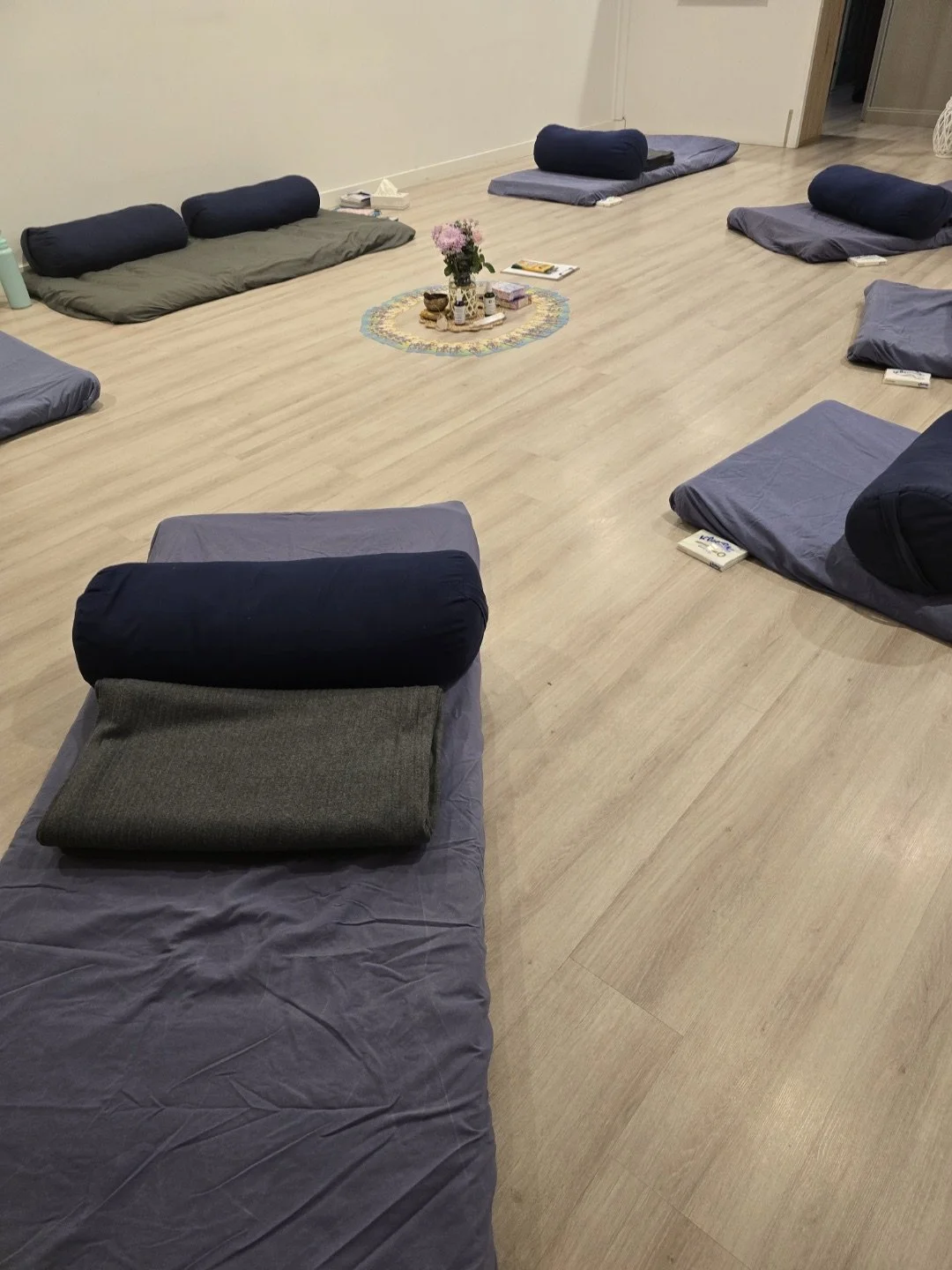
My naturopathic background helps me understand how different aspects of the body influence one another. If a physical or nutritional need becomes relevant during a session, I can offer simple support where appropriate, without it needing to become the focus of our work.
You don’t need to be experiencing physical symptoms for this work to be relevant. However, emotional and physical wellbeing are closely connected, and periods of ongoing stress can sometimes sit alongside changes in sleep, energy, digestion or how well you are caring for yourself.

What you can expect from me
You won’t be forced to relive every painful experience or pressured to share more than feels right. In our work together:
You remain in charge of your process
We work at a pace that feels manageable
You don’t need to remember or explain everything
Your emotions and responses are welcomed without judgement
We focus on what you want to experience differently now
You are not expected to perform or take care of anyone else
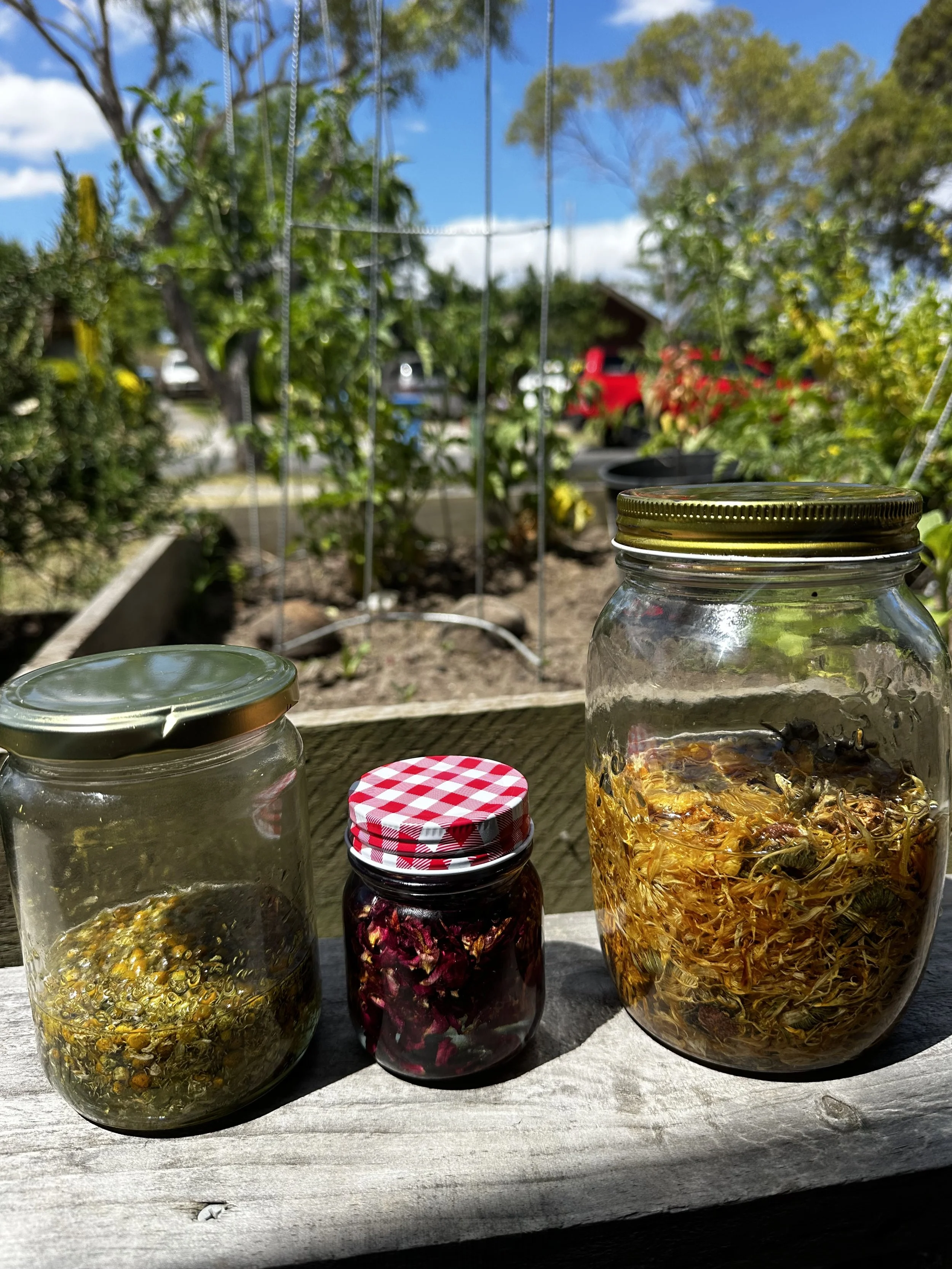
I offer a compassionate, agenda-free space where you can begin listening to the parts of yourself that may not have felt heard before.
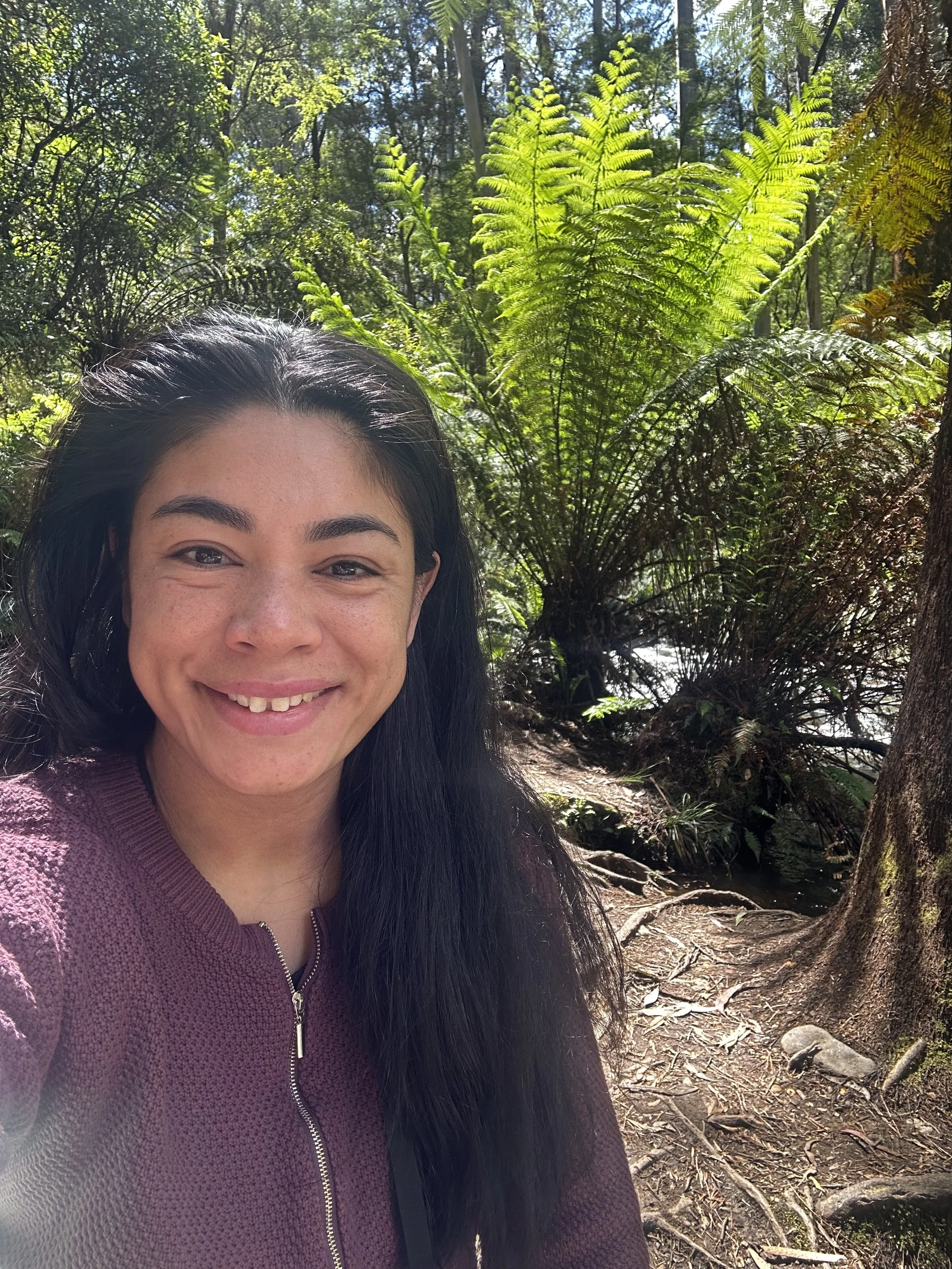
“I was able to connect with Sarah and step out of my comfort zones by being open and feeling comfortable to speak in a safe space.”

These patterns don’t have to keep leading you
Your childhood self has a story to tell, and your body holds its wisdom. Together, we can bring compassion to the ways you learnt to protect yourself and create more freedom in how you respond now. If you’re ready to explore what is sitting underneath the patterns you keep repeating, I’m here to support you.
What you learnt to do to feel safe as a child doesn’t have to keep deciding how you live as an adult.